
Your Boards Are Working. Your System Isn't.
Physical kanban boards help one team see its work. But they can't alert a manager when a task stalls, they can't show leadership what's happening across ten teams, they can't preserve the history of what was tried and learned, and they can't connect daily work to strategic goals. Spreadsheet-based boards have the same limits plus version control headaches.
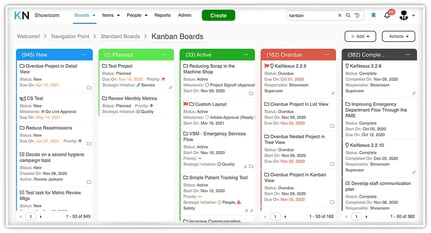
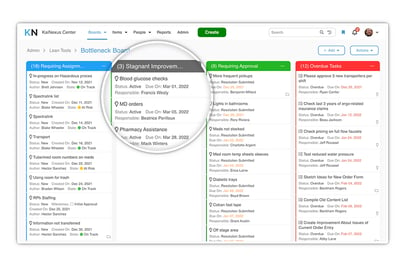
Kanban software solves the visibility problem that physical boards create at scale. Every card movement is tracked, every bottleneck is surfaced, and every completed improvement stays in a searchable repository. When kanban boards live inside your continuous improvement platform, they stop being standalone displays and become part of how your organization manages flow, measures impact, and sustains improvement.
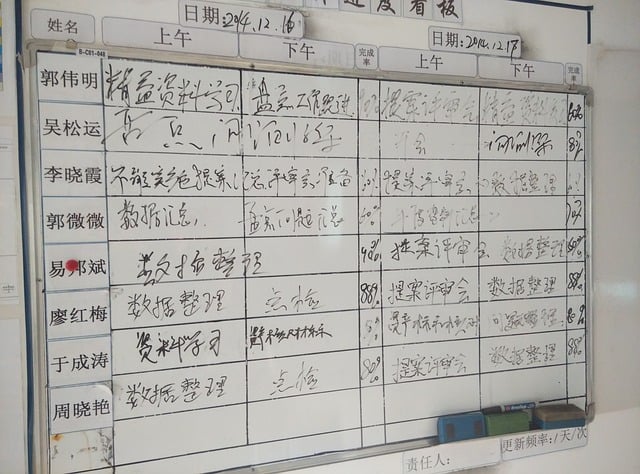
As the name’s origin suggests, one of the key components to Kanban is visualization. When using Kanban to manage work, for example, in a software development or construction team, it’s important to visualize the work tasks that need to be done, either on post-it notes or in software. This allows all parties to observe the flow of work, which in turn allows opportunities for improvement - such as blockers, bottlenecks, and queues - to become clear. Visualization is not a one-time practice at the start of Kanban; it continues after implementation, serving as a means of communication about the state of projects, processes, and the inventory of work remaining.
For a full overview, see Kanban Boards: How They Work and How to Use Them Well.
The ultimate goal of Kanban is to move each piece of work efficiently from beginning to end without waste or lag. Work moves from one stage to the next only when demand - from an external customer or the next stage - makes space for it. To accomplish this, the amount of work in the pipeline must be limited to what can reasonably be managed at any given time. Because work is never forced forward against the pull of demand, we avoid piling too much work on a person, which causes stress and impedes flow.
WIP limits work best alongside standard work that defines how tasks move through each stage.
If the first two principles have been put in place, work will flow freely. Therefore, attention should be directed to any interruptions inflow. Such inefficiencies represent opportunities for further visualization and for improvement.
Since conditions, resources, and customer demands develop over time, it’s clear that this approach demands constant monitoring and analysis to assess flow and look for opportunities for improvement.



.svg)



Copyright © 2026
Privacy Policy